Wednesday, August 15, 2012

Gardening Tips--August


--By Pat Kriener, Village interpreter and Master Gardener

August is one of my favorite months to garden because it is so hot I usually spend most of my time sitting on the porch watching the beautiful Texas sunset as I wait for the temperature to drop. I guess you realize that the temperature does not drop much right now, so I must confess I am doing more sitting on the porch than gardening. I wish that meant there was nothing to do, but as we all know, the Texas garden is a never-ending challenge just to keep alive.  

  • Annuals – Plant heat loving annuals that require very little water; Cosmos, Impatiens (shade), Lantana, Moss Rose, Purselane, Scabiosa, Sun flower, Texas Bluebells, Vinca & Zinnias. Water & fertilize with liquid seaweed, top-dress & mulch plants to help combat the intense heat.
  • Bulbs – last chance to plant dormant bulbs of late summer & fall blooming lycoris & fall crocus. Thin out cannas & ginger shoots after they bloom. Dig up, divide & transplant Louisiana iris & Calla lily if needed. Use slow release fertilizers, 3:1:2 ratio is best. Watch for spider mites on oxalis and other plants. 
  • Compost Bin  Too hot to turn it? Use a long rod to poke holes in it for needed airflow.
  • Containers – Too hot to enjoy the garden during the day? Take a walk at night. Can’t see the Plants? Plant a few pots with night-blooming plants & scented plants, that are silver, white or lavender flowers or foliage they will show up in the moonlight or with a few well-placed solar lights. 
  • Greenhouse – It’s time to get the greenhouse ready. Propagate for your fall gardens by seed and cuttings.  Depending on your system you might want to start everything inside until temperatures drop.
  • Herbs – Collect seed for sowing and kitchen use. Dry & store as recommended.  Sow biennials such as parsley & sow winter salad herbs. Continue to take cuttings.  Check out your fall seeds catalogs.
  • Lawn – Unless you are watering every 3 days your grass is probably turning brown. With our heat it is almost unrealistic to expect a lush green lawn so embrace your brown yard as a welcome respite from mowing. Water at least every 7 days between 2 AM & 6 am for best results.
  • Mulch – Texas gardener’s secret weapon...MULCH! Last night I laid out paper and covered it with mulch around plants that are wilting during the day. Recycle by using shredded paper as mulch; don’t shred advertising pages that are made out of the slick paper or envelopes that have plastic windows. Paper is lightweight so it may blow away unless it is mixed with a heavier mulch.  You can also use it as a bottom layer.
  • Perennials –Water existing plants & fertilize with liquid seaweed, then top dress with compost, earthworm castings or humus, in combination or singular. A few perennials that can withstand the Texas heat; Russian Sage, Oxeyed Daisy, Blackfoot Daisy, Copper Canyon Daisy, Coral Honeysuckle, Ruellia, Turks Cap, Salvias, and Coreopsis
  • Roses – Prune roses about 25 percent to generate new growth, & fertilize with nitrogen products. Don’t forget to water thoroughly after you fertilize & prune. Add mulch if needed. Plant EarthKind Roses because once established, very little care or water or pruning is needed.
  • Trees – If you haven’t planted native trees this is the perfect time to do your research to get ready to plant in September.  A few good ones to add to your fall planting list would be Desert Willow, Magnolia, Bur oak, American Smoke Tree, Lacey Oak, Mexican plum, Pecan, Texas Redbud, Rusty Blackhaw, Texas Buckeye & Texas Mountain Laurel. Planting them in the fall will give them time to establish a strong root system for the 2013 Summer Heat.
  • Vegetable Garden –START PLANTING YOUR FALL GARDEN NOW! I always look forward to my fall garden because it is not as much work to keep it alive and as the temperatures lower, every chore is more enjoyable. Plant Now: broccoli, Brussels sprouts, bunching onions, cabbage, cauliflower, collard, Swiss Chards, Chinese cabbage, cucumbers, lima beans, mustard, snap beans, Southern peas, peppers, Irish potatoes, rutabagas, shallots, squash, tomatoes & turnips.  Top dress existing vegetables with a mixture of compost & worm castings; also add mixture to the soil when planting and water in with liquid seaweed. 
  • Watering – Training your plants to a 7-day watering cycle is one of the best ways to beat the summer watering bill.  Water in early morning between 2 AM & 6AM with soaker hoses, a drip system or hose ground watering for best results. 
  • Wildflowers – fall is coming--order your fall wildflower seed now & make your seed balls 
  • Wildlife in the Garden – I know all of my hard work is paying off while I sit on the porch watching the hummingbirds hovering over the Turk’s Cap, marveling at the colors of the butterflies and relaxing to buzzing of bees.

Remember that the heat is not only hard on your plants but on you as well. I for one will be spending more time on the porch with a cool drink than out in the garden with a shovel or hoe.

Tuesday, August 7, 2012

Coming events!

August 25 - September 10, 2012
SUMMER MAINTENANCE CLOSURE
Log Cabin Village will be closed for maintenance. We apologize for any inconvenience.

September 22, 2012
DAY IN THE DISTRICT
10 a.m.-5 p.m.
Celebrate Fort Worth’s “Day in the District” at the Village! Enjoy a day full of music and living history for the whole family. Admission is FREE for this day only! More information at http://www.fwdayinthedistrict.org.

October 13, 2012
FRONTIER FALL FEST
1-4 p.m.
Grab your pumpkins and shuck your corn...it’s time for a good old-fashioned Frontier Fall Fest! You’ll be able to grind grain by hand, shell corn, thresh wheat, “bob” for apples, press tortillas and more. We’ll also have help celebrating the harvest with flintknappers, the Greater Fort Worth Herb Society, drovers from the Fort Worth Herd (minus the longhorns), the Embroiderer’s Guild of America, Wyatt Earp dealing the card game Faro, Cooper Dan “Five Buckets” Tatum, and Buttermilk Junction Old Time String Band, just to name a few! Bring your own carved or painted pumpkin to enter our “best design” contest (judging at 3 p.m.) This will also mark the official launch of Log Cabin Kitty, a children’s book inspired by legendary Village feline Pepper the Cat. Author Donna Rubin will be here to sign your copy (available soon in our museum store)! For a small additional fee, you can even make your own festive corn husk doll to take home! Cost is regular Village admission plus $3 craft fee for corn husk doll . 

November 10,11, 17, & 18, 2012
CANDLE-DIPPING
1-4 p.m.
It’s candle-making time! Come dip your own candles to take home. No reservations required. Cost is regular Village admission plus a $3 fee to dip candles.

November 17, 2012
PHOTOS WITH ST. NICHOLAS
1-4 p.m.
Time to start thinking about those holiday cards! Come have your photos taken with our historic St. Nick! No reservations required. Cost is regular Village admission plus a $5 fee for photo and folder.

December 15, 2012
HOLIDAYS AT THE HEARTH
1-4 p.m.
Enjoy holiday music, string popcorn and cranberries, spin the dreidel, help make pomander balls, tamales, paper chains, embossed cards, ornaments, and more! You can even have your photo taken with our historic St. Nick ($5 fee for photo and folder). No reservations required. Cost is regular Village admission plus a $2 craft fee to make a punched tin ornament.

Thursday, June 14, 2012

Gardening Tips for June

By Master Gardener and Village interpreter Pat Kriener

Vacation Time is here and as a gardener even the word VACATION can strike terror in me. How is the garden going to survive without me? To ease my mind on vacation I use many of the tips & tricks listed throughout this month's Garden Tips.
  • Watering – The key to that summer vacation is training your plants to a 7-day watering cycle if we do not get any rain. Your plants and lawn are already on the schedule so when you leave for that much-needed vacation they are no worse off than if you were at home. Water in everything heavier than usual just to ease your mind. Always water in early morning with soaker hoses or hose ground watering for best results. If you will be gone longer than seven days, invest in timers. 
 
  • Annuals – Plant heat loving annuals that require very little water; Comos, Impatiens (shade), Begonia (green leaf shade – bronze leaf sun), Lantana, Moss Rose, Purselane, Scabiosa, Sun flower, Texas Bluebells, Vinca & Zinnias. Again water, fertilize with liquid seaweed, top-dress & mulch plants to help combat the intense heat 
 
  • Bulbs –You can still find container grown summer bulbs in the nurseries. Bulbs such as ginger, crinum, gloriosa lily, achimenes, oxalis, caladium and society garlic create a beautiful show in mid-summer.  If you did not plant any this year, put them on your list for next year. As always do not cut foliage back until they yellow. To disguise, plant annuals in front. Once your gladiolas die back, dig them up and store in cool dry place. 
 
  • Compost Bin  – Works just as well as when you’re gone as when you’re at home.
 
  • Containers – Cut up sea sponges and add to your soil when you plant or add later. The sponges will help hold in moisture between watering. Another trick is poke very small holes in the sides of the 1 gal plastic milk jug or plastic pop bottle above the upwards curve, then fill it with water. This will slowly water your larger pots. Use smaller containers for smaller pots. Do this before you go on vacation to see how long it takes until they are empty. Mine usually last 2 days with very tiny holes. You can also place them by plants that struggle in the heat or new planting that need extra watering.
 
  • Greenhouse – Hopefully your shade cloth is up. Next create a way to keep the extreme west sun off your plants.  My green house is located on the north side of a pear tree and a permanent plywood wall cuts down on the extreme heat from the west. Usually this time of year I am propagating very little but because of these changes the past few years I continue to propagate herbs, vegetables, perennials and annuals throughout the summer. Add buckets with water to use for spot watering and help with humidity.  Cover the top of the buckets with window screens and large rubber bands. When I go on vacation, I add misters or soaker hoses on timers.
 
  •  Herbs – Harvest flowers & leaves, preserve by drying or freezing, sow seeds, take softwood cuttings, pinch out flowering shoots to promote leaf growth.  Don’t forget to take your dried herbs on your camping or fishing trip, in labeled-baggies to save room. Basil, lemongrass, fennel, dill, rosemary and oregano are great herbs to have for salads, soups, chicken, beef or fish. A good watering before you leave is usually all they need & follow tips above for your container herbs.
 
  • Lawn – They plant summer lawns all through our intense heat, but realize that you will be watering several times a day and you might want to wait on this project for late summer, early fall or spring..  Also it is very important that the sod be laid soon after it is harvested for best results.  This is chinch bug season for St. Augustine especially in dry weather. Mowing regularly at recommended heights with sharp blades is one of the best things we can do for a healthy lawn. Water every 7 days unless it rains and, before you leave on that much needed vacation, water heavily.
 
  • Mulch – Think of mulch as that much needed plant-sitter, it helps the ground stay moist & cool. 
 
  • Perennials – The garden centers still have perennials that can be planted but if you were leaving on a vacation I would wait until you get back to purchase. Water existing plants and fertilize with liquid seaweed, top dress with compost, earthworm castings or humus, in combination or singular.
 
  • Problems –Mosquitoes a problem?  Standing water is a great breeding ground for mosquitoes.. Dump all standing water, cover buckets or rain harvesting barrels with window screening, add Mosquito dunks to all water sources such as ponds, birdbaths or other water features. Encourage bats to your yard , 1 little brown bat can eat 1000 mosquitoes. Fungus gnats are horrible this year. Set out traps  (sugar water in a pickle jar), keep all fruit & other food put up, do not over water inside plants or let them stand in water, add Venus flytraps or pitcher plants to your kitchen.
  • Prune – Prune dead foliage and limbs off all flowers, shrubs and trees so they are not stressed by supporting them   Do Not Prune Oaks until it is over 100 degrees.
 
  • Rainwater – Hurray we have been getting rain and I have to say I am thrilled that all of my rain barrels are full. If you don’t have rain barrels put out buckets, plastic containers, pots with small holes in your beds and pots to catch rainwater to be released slowly. 
  
  • Roses – Plant EarthKind Roses because once established very little care or water is needed.
 
  • Trees – Hopefully your newly planted trees are now on the 7 day watering cycle and you can leave with a light heart. If not, invest in a tree water bag or tree ring waterer, fill with water and it slowly releases it over a period of time. Remember to water-in heavily with a hose and add mulch.
 
  • Vegetable Garden  Everything in the vegetable garden is doing wonderful and I am still planting odds and ends as one crops finishes I plant another in its place. PLANT NOW:  Amaranth, Black-eyed peas, cantaloupe, collards, eggplant, luffa, okra, peppers, pumpkin, Southern peas, sweet potatoes, Swiss chard & watermelons.  Watering tips for any garden – save your 1to 5 gal. pots that have drainage holes. Dig holes next to your plants almost the depth of your pot. Place your pot in the hole & back fill with dirt on the outside of the pot. Put a little cow manure or humus in the bucket then fill with water. Use soaker hoses on timers when on vacation.
 
  • Wildflowers – Don’t forget your North American Wildflower book on your vacation to help identify the native wildflowers as you speed down the highways of America. I always try to take plant I.D. books or Pocket Guides for the area where I am vacationing. Digging up wildflowers to transplant rarely works, it’s better to wait and harvest the seeds after it blooms. Remember  if you take all the seeds or kill it by digging it up we damage our flowers for next year.
 
  • Wildlife in the Garden – Encourage Bats to your yard by adding Bat Houses or Bat Gardens. Create a garden that attracts night insects gardenias, evening primrose, stock,  For more information about bats, visit http://www.batcon.org

From June to August is a great time to vacation because the major gardening chores are done but the destruction we find when we return due to the heat almost makes it not worth the trip. So my best vacation advice is to find gardening friends and neighbors that have the same problem and create a gardening co-op so when you go away someone who understands can stop by and check on your gardens.

Enjoy your VACATION!

Thursday, May 31, 2012

Still time to sign up for Summer Camps!

Our camps are filling fast...so don't delay!


June 8, 20, or 27, 2012 (pick one only)
WAGONS WEST
9 a.m.-noon
Be a 19th century Texan for a day! Wagons West is a program of hands-on activities recreating elements of a typical school-age child's day. The children wash clothes using a washboard and lye soap, card wool, grind corn by hand and weave on a child's scale loom. $15 admission includes materials and a snack. Reservations required one week prior. Program is for children going into 1st--6th grade. Registration form available here.


June 21, 2012
TOOLIN’ AROUND DAYCAMP
9 a.m.-noon
If you’re wondering what tools helped build the frontier, then this camp is for you! Join our skilled woodworker as he introduces basic 19th century woodworking techniques and helps campers complete a project of their own! $15 admission includes materials and a snack. Reservations required by June 14. Camp is for children going into 4th-8th grade. Registration form available here.

Tuesday, May 15, 2012

Gardening Tips for May...

by Master Gardener and Village interpreter Pat Kriener

May is for planting all day every day!  While you're planting like crazy, watch for some of our garden friends like hummingbirds. Haven’t seen any yet? Then check out the sections on annuals, bulbs, herbs and perennials to find common plants that will attract them to your yard.

  • Annuals – The garden centers are awash with the colors & scents of spring. Plant tropical hibiscus, Mandeville and lantana. Attract hummingbirds by planting butterfly weed, coral bells, impatiens, geraniums, hummingbird vine, nicotina , petunias,  pentas and shrimp plants.
 
  • Bulbs – Remember don’t get in a hurry to cut back your bulbs until they turn brown otherwise you will endanger the health of the bulb. Continue to add summer bulbs to the landscape. Bulbs for Shade – achimenes, alpinia. Arum, bletilla, caladium, clivia, costus, crinum, curuma, globba, hedychium, hymenocallis, kaemferia, oxalis, walking irks.  Bulbs for Sun – agapanthus, belamcanda, cannas, crinum, crocosmia, dahlia, dietes, eucomis, garlic chives, gladiolus, glorisa lily, habranthus, hymenocallis, iris, lilies, oxalis, tigridia, society garlic, zephyranthes.  Bulbs for Hummingbirds--cannas and Louisiana iris
 
  • Compost Bin – Make a new compost bin using an old trashcan. If it already has holes, that’s wonderful but make sure it has holes in the bottom for drainage  & holes in the side for air circulation.  Now just toss your clipping , garden & kitchen waste in it.  Don’t toss the lid.  Put some holes in it and make your compost bin critter proof.
 
  • Containers –Create a simple container garden to attract hummingbirds using pentas, petunias, salvias and hummingbird vine.
 
  • Greenhouse – Glass greenhouses are very hard to use in Texas form now until fall because of the heat, but if you have a plastic covered frame greenhouse now is the time to prepare it for summer by placing shade cloth over the top and leaving the sides open. Watch temperatures and airflow. 
 
  • Herbs –Plant basil, chives, catmint, lemon balm, lemon grass, mints, oregano, parsley, rosemary and many more. Herbs for hummingbirds--bee balm & hyssop.
 
  • Lawn – Mowing season is here! Make sure your blades are sharp and your equipment has had a maintenance check. Remember to fertilize according to your soil sample. Call the Extension Office for information (817-556-6370).
 
  • Mulch -Mulch & MORE Mulch- 3 inches of mulch is one of the secrets to gardening in Texas
 
  • Perennials – Another secret to low cost landscaping is planting perennials that come back year after year. An added bonus to using perennials is that they need to be divided now and then and then you have a free plant to put somewhere else in your garden or to share with as friend. In my yard I do not plant a thing in several of my beds, I just wait for the show. Plant an easy Hummingbird garden using perennials such as Autumn Sage, Hummingbird sage, Saliva and Turks cap.
 
  • Pests – Don’t wait for problems--release beneficial insects such as trichagrammas, predatory mites, ladybugs and lacewings to help fight damaging pests. Fire Ants are always trouble and spring is the best time to put out baits & beneficial nematodes. For more information on fighting Fire Ants, call the Extension Office (817-556-6370) for a free brochure,  “The Texas Two-Step."
 
  • Prune – Prune spring flowering shrubs and trees once they are done flowering
   
  • Roses – Ramblers and climbers should be in full bloom. Don’t let them get away from you. This is the time to pay attention to training and tying them on your structure.  May is the last month to transplant and plant roses without submitting them to undue stress in the summer heat.
 
  • Trees – Remember you can still plant trees year round in Texas but the summer heat can add undue stress on a newly planted tree and it will require more water and attention. 
 
  • Vegetable GardenPlant Now cantaloupe, collards, eggplant, luffa, okra, peanuts, peppers, pumpkin, Southern peas, squash, sweet potato, tomatoes, watermelons.  If your tomato plants are lush and green but have no fruit you may have given them too much Nitrogen.  Balance it out by adding greensand to your beds. Plant red peppers in afternoon shade. Make a teepee for your pole beans. Sit in the garden, draw a circle around yourself so you can fit into it, then construct a teepee frame out of sticks using your circle as a guide. Plant your beans around the outside of the circle. Yes...I think we should be able to have as much fun in the garden as the kids.

Tuesday, May 8, 2012

Cooking Then and Now...

More from our TCC friends...

Lilia Rodriguez
Professor Blank
History 1301
20 April 2012

Hungry? No time to sit down and have dinner or lunch? Not a problem at all, because you can drive to any fast food place and your hunger problems will be solved in a matter of minutes. With so many fast food places now a days as an option to have a quick meal we have lost appreciation for  the work put into preparing our food.                                                                                             
Not so long ago preparing a meal was not as easy as going to a super market and buying the ingredients ready just to be cooked. According to Courtney Hybarger author of When Dinner wasn’t Quick and Easy “fruits and vegetables were grown on the farmstead and families processed meats, such as poultry, beef and pork”. In the 1800s families did not have the option of simply going to the store and buying what they needed. Everything had to be grown at home for example “spices (nutmeg, cinnamon), seasonings (salt and pepper) had to be ground up with mortars and pestles (Hybarger)”. These families actually had to make their foods out of scratch and sometimes this process was an all day thing. They did not have the convenience of being able to go to a store and buying food that just needed to be popped in the microwave or cooked on the stove. In the 1800s there was a huge difference in technology as well.
Refrigerators an electronic appliance that we consider a necessity to keep our foods from spoiling was non existent in the 1800s. In the 1800s to keep meats from spoiling women used a process of curing. In this process meat was dipped in “brine or salt and then exposed to sun and wind” (Bogan). Fruits and vegetables on the other hand were placed out in the sun or near a heat source (Hybarger). It is interesting to say that with very limited resources people managed to be creative to surpass such obstacles as to how to preserve their foods. Another creative tool was how they cooked their food.
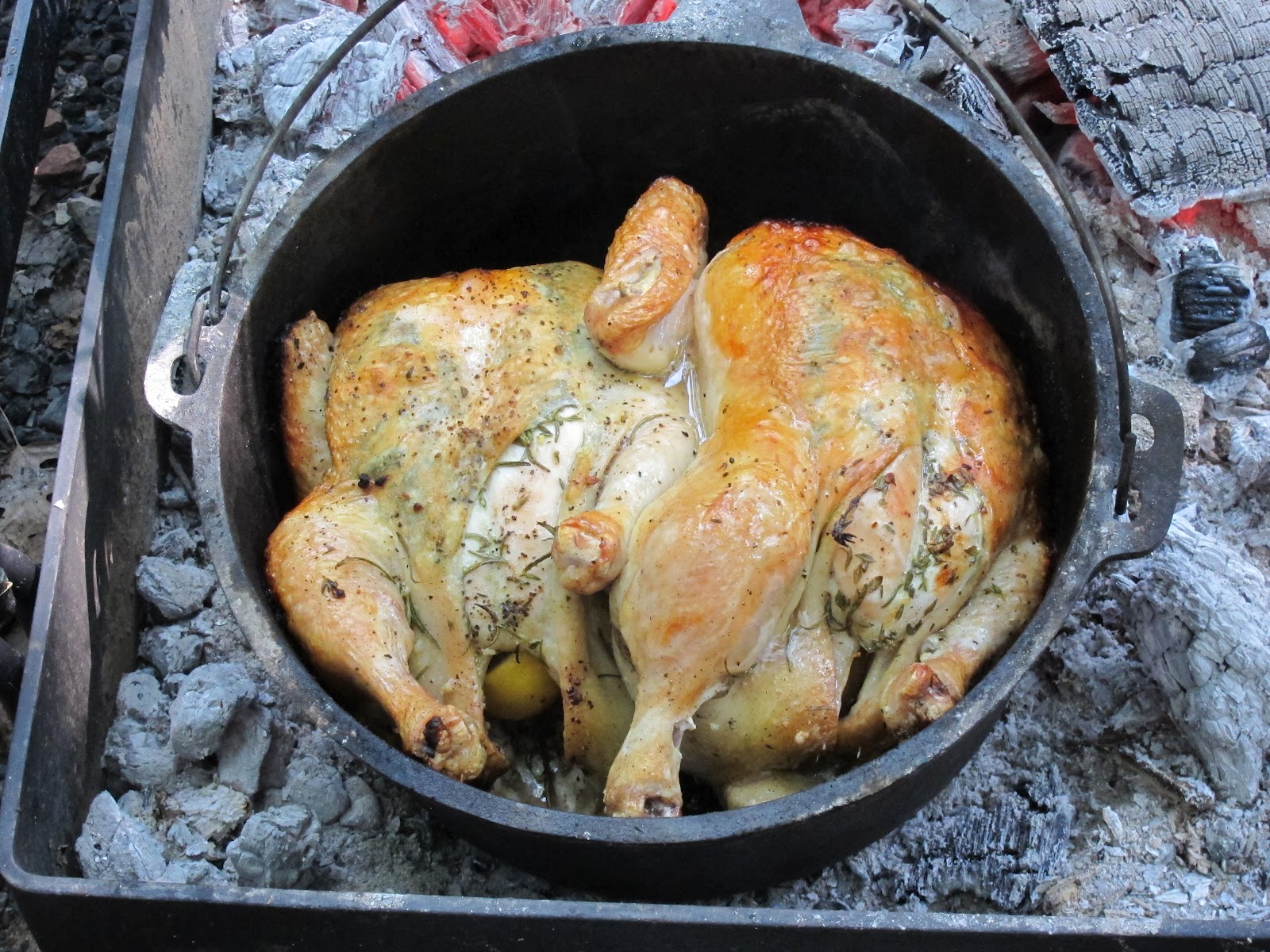
We might have microwaves and stoves but in the 1800s none of that existed. Without stoves in the 1800s, women used what was a Dutch Oven (Hybarger). They placed this oven in the hearths of brick fireplaces where they used different types of fires and flames to cook their meals (Hybarger). For example in todays time you might be used to running down to a Churches Chicken or KFC if you have a craving for some chicken but in 1800s as Fannie Farmers states in her book The Boston Cooking-School Cook Book cooking a Roast Chicken required a long process. For the chicken you first had to dress, clean, stuff and truss it, then you had to season it and while it is cooking you had to be checking and turning it so it will not burn (Farmers 251). This process might sound pretty easy and something that many do at a Thanksgiving meal but imagine not having a stove with an oven and having to cook it over a fire.
While in the 1800s cooking was an all day chore because they had to make everything from scratch and they had to make the perfect fire, today all of that has dramatically changed. Now in the 21st century we can count on refrigerators to preserve our foods and we have stoves and microwaves that are life savers. Besides that we now even have a number of restaurants and fast food places that provide us with a quick meal without all of the hard work that was needed in the 1800s.


Works Cited
Cracker Women Cooking Outside their Poor, Rural Cabin in Georgia. 1800. Painting. Web. 20 Apr 2012.
Farmers, Fannie. The Boston cooking-School Cook Book. Little Brown: 1918. 251. Print.
(Farmers 251)
Goldman, G Jason. Your Brain on Fast Food. 2010. Scientific America. Web. April 20, 2012
Hybarger, Courtney. "Cooking in the 1800s." When Dinner Wasn’t Quick and Easy. Web. 20 Apr. 2012